Our large national and growing footprint enables us to leverage our buying power to distribute and
sell competitively priced products for a continually growing car parc of vehicles.
Growth opportunities
Expanding into other developing markets provides a significant opportunity for the business. Increased participation in this segment will include vertical integration to eliminate intermediaries in the wholesale supply chain. Our controlling interest in Arco in Taiwan supports this strategy and enables us to leverage our consolidated buying power to procure parts at competitive prices.
We aim to grow the South East Asian business. We have already set up a distribution centre in this region to facilitate buying and distributing parts and accessories to other business hubs. We will explore selective acquisitions to drive growth, focusing mainly on the Asian businesses to complement wholesale opportunities.
2020 performance
Market leadership
COVID-19, the sovereign downgrade in South Africa, together with high unemployment, has reduced consumer disposable income levels, shifting demand from higher priced premium products to more affordable products. This trend of buying down and increased competition continues to compress margins. We will continue to develop an end-to-end supply chain with a broad product offering that is supported by our access to the right suppliers and ability to leverage our group buying power. Our channels to market are supported by our franchisee model, which gives us an extensive footprint and allows us to offer our products to a range of customers. In addition, the South African car parc has a wide range of vehicle models that are out of warranty, resulting in the need to hold a broad product range of parts and accessories.This requires increased working capital investment initially to meet the demand.
The severity of COVID-19 was mitigated by our ability to supply parts to essential service providers permitted to operate under lockdown. Following the lifting of restrictions, our improved supply chain ensured good inventory levels that allowed us to meet the pent-up customer demand for parts and accessories.
We will continue to strengthen our core business by streamlining our distribution capability, shortening our routes to market and leveraging our ability to procure large volumes at lower prices to cater for broader market penetration. We partner with selected global parts distributors to facilitate competitive purchasing and continue to increase our buying power through the forward integration of the parts supply chain.
Informal sector mechanics project
With over half of South Africa’s vehicle parc being 10 years or older, ensuring the
safety and reliability of these vehicles is important. The Makhaya project aims to
create a sustainable micro-network of informal sector mechanics by providing them
with equipped workshops, technical support and SMME business training. These
workshops will be housed in or adjacent to our own or franchised network of
aftermarket parts or pre-owned dealership sites. Aftermarket Parts will supply the
network and provide access to our value chain and customers.
Integration and optimisation
Our ability to leverage our buying power through increased volumes and direct access to our suppliers supports our pricing strategy, and our efforts to deploy a single product catalogue platform, aligned to global standards, will allow us to effectively rationalise our brand portfolio and reduce inventory levels. We offer a full spectrum of private label products and focus on effectively managing our brands, which includes expanding into entry level vehicle products and reducing premium brands. We will continue to expand our existing e-commerce platform by adding new capabilities, including mobile app sales functionality, to enhance the ability of our businesses and our franchisees to provide excellent customer service.
Our improved supply chain and distribution strategy will support product management by providing visibility of stock availability, allowing us to better manage inventory levels. We will continue to optimise our supply chain though selected acquisitions, specifically to grow our distribution capabilities in China.
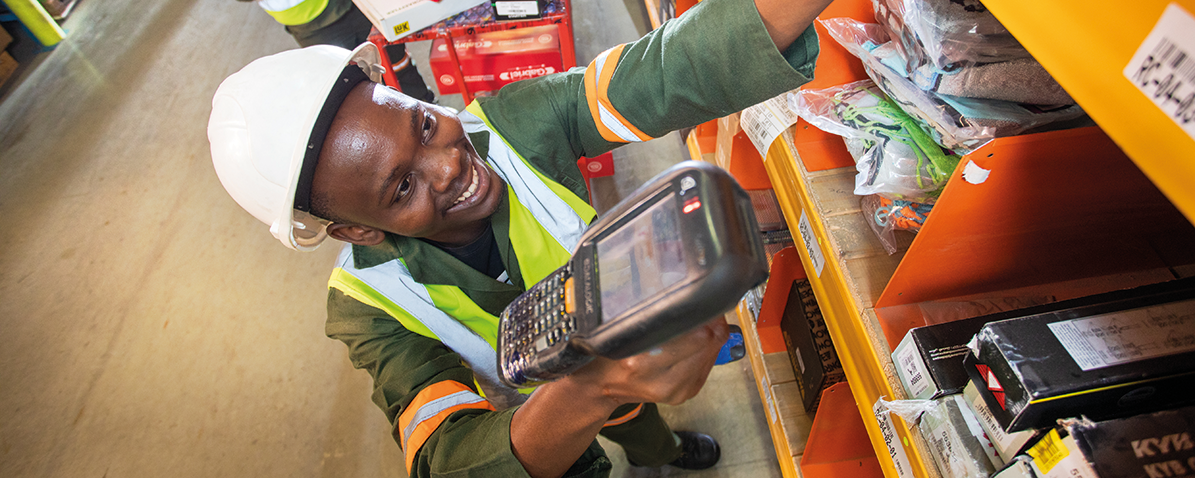
Our central distribution centre in Shanghai, China is fully operational following the appointment of a general manager and appropriately skilled staff. In South Africa, we are moving our distribution centres closer to customers and continuing to enhance our online product catalogue, to improve lead times, create greater visibility of product availability and therefore improve the overall customer experience.
We continue to grow our independent channel, which supplements the franchisee model, and expand our retail footprint in urban areas and rural areas in collaboration with the franchisee base during the year.
Our people
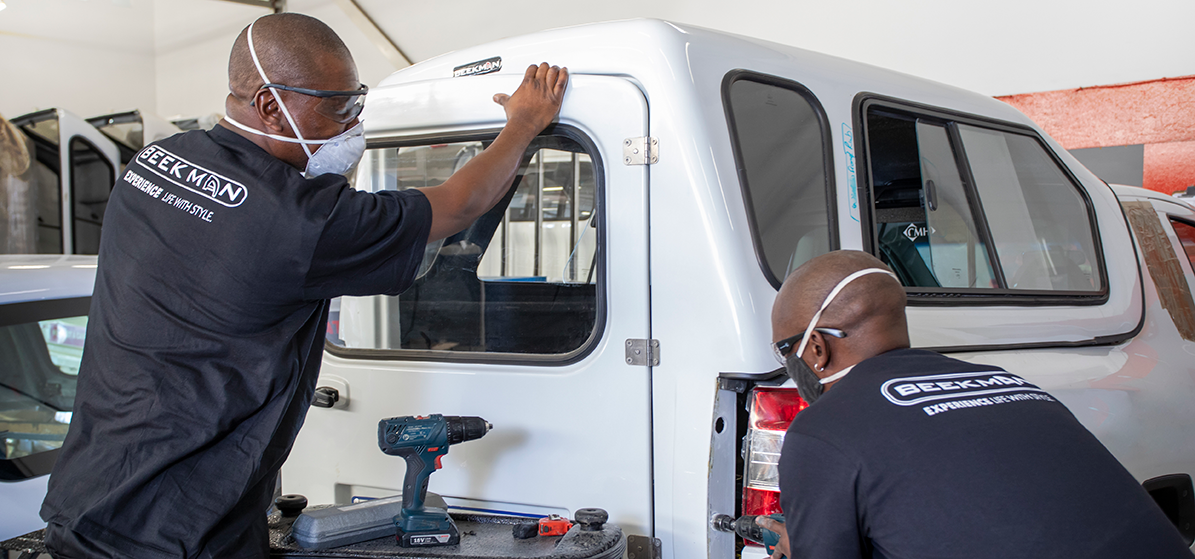
During the first half of the year, we restructured our leadership and product management teams to allow us to build an agile and responsive team, deepen accountability and clarify their focus, as well as reducing our dependency on key individuals as single points of contact.
This initial reorganisation has positioned us well to respond in an agile manner to the impact of COVID-19. Our operations are realigned to the new economic reality.
 Read more about the Group’s people strategy
2020 financial performance

|
| Revenue (Rm) |
3 433 |
5 |
2 617 |
(18) |
6 050 |
6 442 |
(6) |
| Operating profit (Rm) |
247 |
– |
75 |
(70) |
322 |
496 |
(35) |
| Operating margin (%) |
7,2 |
| 2,9 |
| 5,3 |
7,7 |
|
| ^ |
HY1 numbers are unaudited and were released in the interim published results for the six months ended 31 December 2019. |
| * |
HY2 numbers are unaudited and derived from deducting the HY1 results from the full year published results of 30 June 2020. |
Revenue and operating profit decreased by 6% and 35% respectively as a result of the negative impact of COVID-19, coupled with lower demand for commoditised products, increased supplier and competitor activities in a tighter market and a shift by consumers from higher priced premium products to more affordable products in South Africa.
The reduction of the fixed cost base was slightly delayed as pent-up demand was high when the lockdown ended and the benefit will only be achieved in the new financial year.